News
7th October 2026
Gaza: Three Years On — We Have Not Looked Away
News
7th October 2026
Gaza: Three Years On — We Have Not Looked Away
News
28th August 2026
The Wheelchair That I’ll Never Forget: What I Saw in India
News
16th August 2026
Rabi‘ al-Awwal: Mercy for All Mankind – Penny Appeal
News
21st July 2026
BrumsCars × Penny Appeal: Driving Change Together
The Pilgrimage to Mecca (Hajj) in 2027 is expected to take place in mid May to late June 2026, depending on the sighting of the moon. Hajj dates change every year because the Islamic calendar follows the lunar cycle, which is around 10-11 days shorter than the Gregorian calendar.
This means Hajj moves earlier each year in relation to the Western calendar, and exact timings are confirmed closer to the time once the moon for Dhul Hijjah is sighted.
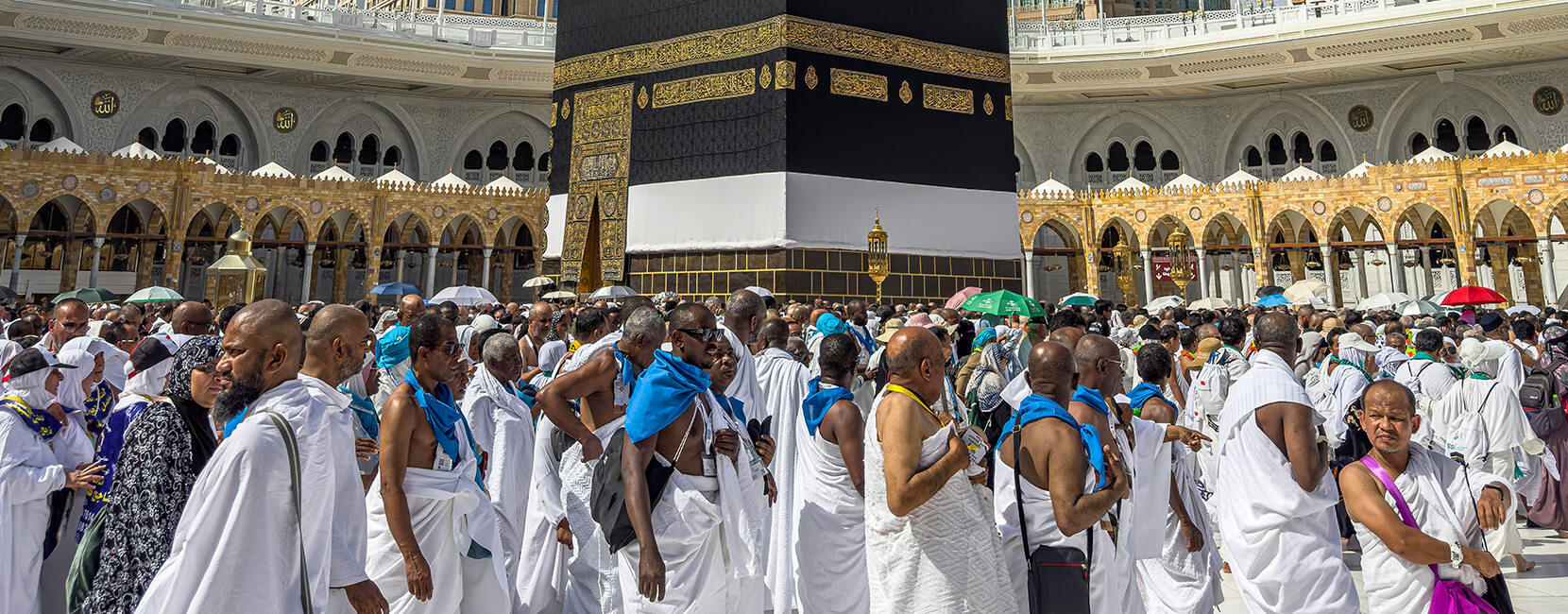
The Pilgrimage to Mecca, known as Hajj, is one of the most important acts of worship in Islam. It is a sacred journey that every Muslim must undertake at least once in their lifetime if they are physically and financially able.
Hajj is one of the Five Pillars of Islam, making it a fundamental part of a Muslim’s faith and practice. It represents unity, devotion, and submission to Allah (سُبْحَانَهُ وَتَعَالَى), bringing millions of Muslims together from around the world in worship.
Hajj 2027 is expected to begin around mid May 2027 in the UK, falling within the Islamic month of Dhul Hijjah. However, exact dates may vary depending on official moon sightings, which determine the start of Islamic months.
The pilgrimage takes place over several days during Dhul Hijjah, with key rituals spread across specific dates in this sacred period. Muslims are encouraged to follow official announcements closer to the time for confirmed timings.
Hajj includes a series of spiritual rituals performed over several days in and around Mecca. These include:
Each act is designed to reflect humility, devotion, and unity before Allah (سُبْحَانَهُ وَتَعَالَى).
Hajj and Umrah are both pilgrimages to Mecca, but they differ in obligation and timing.
Hajj is mandatory once in a lifetime for those who are able and takes place during specific days in Dhul Hijjah. Umrah, however, is voluntary and can be performed at any time of the year.
While both hold great spiritual value, Hajj includes additional rituals and is one of the Five Pillars of Islam, making it a core obligation in a Muslim’s faith.
Hajj season is also a powerful time for giving and supporting those in need. Many Muslims choose to give charity during this blessed period, increasing their rewards and helping vulnerable communities worldwide.
This can include acts such as Sadaqah, supporting humanitarian projects, or giving Qurbani during Eid al-Adha. These donations help provide food, relief and essential support to families facing poverty and crisis.
By giving during this sacred time, Muslims can extend the blessings of Hajj beyond themselves and make a meaningful impact on lives around the world.
Every Penny Helps Thank you.
View and Share


