News
7th October 2026
Gaza: Three Years On — We Have Not Looked Away
News
7th October 2026
Gaza: Three Years On — We Have Not Looked Away
News
28th August 2026
The Wheelchair That I’ll Never Forget: What I Saw in India
News
16th August 2026
Rabi‘ al-Awwal: Mercy for All Mankind – Penny Appeal
News
21st July 2026
BrumsCars × Penny Appeal: Driving Change Together
For many people living in the UK, the arrival of winter means reaching for a warmer coat, turning up the heating or enjoying a warm meal surrounded by family. However, for millions of people around the world, falling temperatures and harsh weather present even greater challenges. Families already living in poverty face growing financial pressures as they try to afford warm clothing, heating and other essentials, while extreme weather conditions and damaged infrastructure can disrupt livelihoods and make travelling increasingly difficult. As for those displaced by conflict or economic collapse, inadequate shelter and a lack of basic necessities can make surviving the winter months a daily struggle.
These hardships are by no means limited to communities overseas. Across the UK, millions of people struggle to afford heating, clothing and nutritious food for their families, while homeless individuals are exposed to harsh winter conditions with little more than the clothes on their backs for protection. As Muslims, we have a responsibility to support the less fortunate whenever we are able, sharing our Zakat (زكاة) and Sadaqah (صدقة) to provide vulnerable families with the warmth and nourishment they need. Through our Winter Emergency Appeal, your generosity could provide the essential items to the people who need them most.
Winter poses different challenges to communities around the world, but for those already experiencing poverty or displacement, the consequences can be devastating. In regions that are exposed to extreme weather, heavy snowfall and sub-zero temperatures can block roads and restrict access to essential supplies, while severe rainfall can flood homes and destroy the temporary shelters occupied by displaced families. For people living in crisis, these conditions can make their lives even more perilous, increasing the need for emergency winter support.
In Afghanistan, temperatures in the winter can fall as low as -25°C in some regions, leaving these communities vulnerable to illnesses such as frostbite and hypothermia. These conditions are particularly difficult for the millions of Afghans affected by displacement, many of whom are living in damaged buildings or makeshift tents that offer little protection against the cold.
Without adequate insulation or access to reliable heating, families are left struggling to keep themselves warm, while the cost of essential fuels such as coal, gas and firewood remains beyond the reach of many households. Some are forced to burn unsuitable materials to generate heat, exposing themselves to dangerous fumes and further health complications in their attempts to survive the winter.
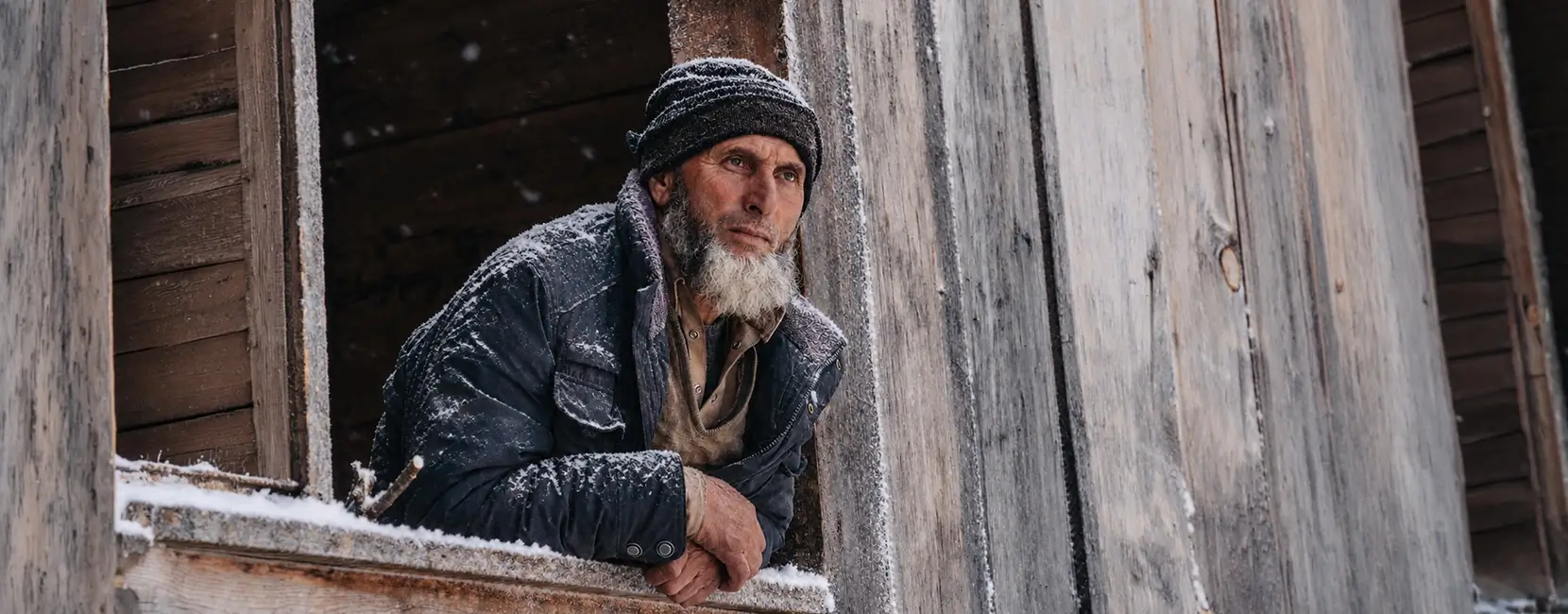
For remote mountainous communities in Kashmir, the 40-day period between December 21st and January 29th known as Chillai Kalan brings the harshest weather conditions of the year. Heavy snowfall and freezing temperatures cause massive disruption to daily life, blocking mountain roads and causing water pipes to burst.
Losing access to these travel routes can leave entire settlements isolated from essential supplies, such as food and medical assistance, while limiting their opportunities to earn an income. For households living in poorly insulated homes, this prolonged period of extreme cold can make it increasingly difficult to stay warm and fulfil their basic needs.
The ongoing economic crisis in Lebanon has exacerbated the challenges brought by the winter months for families who were already struggling to afford everyday essentials. Years of hyperinflation and the removal of fuel subsidies have contributed to soaring energy costs, leaving many households unable to afford reliable heating through gas or electricity.
The current economic affects every aspect of winter life for the most impoverished families, with the rising cost of living leaving vulnerable households unable to purchase suitable winter clothing and nutritious food. Displaced Lebanese citizens and refugees face additional challenges, with their damaged or makeshift accommodation providing little to no protection against frigid temperatures and flooding.
Natural gas is the primary source of heating and cooking for households across Pakistan, but increased demand during the winter months places considerable pressure on national supplies. In some regions, shortages leave families without a reliable supply for up to 22 hours per day, forcing them to turn to expensive alternatives such as liquefied petroleum gas (LPG) and firewood. Combined with extreme low temperatures and poorly insulated homes, the lack of affordable heating can leave impoverished families vulnerable to serious health risks and malnutrition.
For families in Gaza, winter brings another layer of hardship to an already devastating humanitarian situation. The preceding years of conflict have displaced the majority of the population, with many families forced to seek refuge in deteriorating buildings and temporary shelters that leave them severely exposed to the elements. Heavy rainfall can rapidly overwhelm these inadequate living conditions, flooding shelters and washing away what few belongings they have been able to salvage.
With widespread destruction and severe restrictions affecting the availability of essential shelter materials, many displaced people have few resources to rebuild or protect themselves. For parents trying to keep their children warm and safe, another night without inadequate bedding or shelter can easily become a frightening reality.
Sustained conflict and economic instability have left millions of people in Yemen without secure housing and dependent on humanitarian assistance to meet their most basic needs. Displaced families living in temporary accommodation are at the mercy of the harshest weather conditions, while economic crisis makes budgeting for food and warm clothing increasingly difficult during the colder months.
Despite our relatively strong economy, poverty remains a reality for millions of people across the UK. Around 13.4 million people in the UK live in poverty, with countless households struggling to afford the essentials needed to stay warm and healthy during winter. Rising energy bills have made heating your home a luxury for some, while the cost of warm clothing and nutritious food places further pressure on limited household budgets.
People experiencing homelessness are particularly vulnerable to the inhospitable conditions associated with British wintertime. Across England, more than 380,000 people are estimated to be homeless, with those sleeping on the streets facing especially dangerous circumstances. Many have little more than a sleeping bag to protect themselves from the elements and when temperatures fall below freezing, these limited forms of protection may not be enough to keep them safe.
At Penny Appeal, we recognise the importance of charitable giving during winter to ease the additional hardships faced by impoverished communities as extreme weather conditions exacerbate their existing vulnerabilities. Through our Winter Emergency Appeal, your donations can provide practical assistance to families who might otherwise struggle to protect themselves from freezing temperatures and their devastating effects. From providing additional clothing and blankets to make cold nights more bearable, to financing emergency heating solutions and temporary accommodation, our support can take several forms to address the different challenges facing vulnerable families.
For families living in poorly insulated homes or temporary shelters, warm clothing and bedding are essential for shielding themselves against sub-zero temperatures. Coats, thermal clothing, scarves, hats and gloves allow adults and children to retain body heat when spending time outdoors or living without access to heating, while warm blankets provide an additional layer of protection during cold nights. These items can be particularly valuable for displaced families who have been forced to leave their homes with few personal belongings, as well as people living in remote communities where temperatures regularly fall below freezing.
Access to nutritious food becomes increasingly important during winter, when prolonged exposure to cold temperatures places additional demands on the body. For families already experiencing food insecurity, rising costs of living and blocked supply routes can place further strain on their ability to maintain a balanced diet throughout the colder months. Food parcels containing essential ingredients make it possible for these households to prepare nourishing meals, while hot meals provide immediate relief to people who have limited access to cooking facilities. By giving families access to food and everyday essentials, our winter appeal can ease financial pressures and provide some reassurance during an otherwise uncertain time.
For households without reliable electricity or heating, keeping warm throughout winter can become a daily struggle. Fuel assistance and other forms of heating support can help families to maintain warm living spaces, reducing their exposure to prolonged cold and the associated health risks. This is particularly important in regions that regularly experience sub-zero temperatures and where households may have limited access to affordable energy. In remote areas, where heavy snowfall can restrict access to fuel and other supplies, supporting families with their heating offers a vital lifeline when travel routes become inaccessible.
A safe place to sleep is something many of us take for granted, yet displaced families and people living in damaged or inadequate housing frequently have little to no protection from harsh weather conditions. Emergency accommodation, including suitable humanitarian tents, can provide essential protection from strong winds, heavy rainfall and freezing temperatures, offering some comfort to families facing the uncertainty of displacement.
However, extreme winter weather can also disrupt access to clean water and adequate sanitation, as floodwater can contaminate living spaces and increase the risk of disease. Providing safe water and other hygiene essentials therefore plays an important role in protecting vulnerable communities during periods of heavy rainfall.
Even seemingly small gestures can make an enormous difference for those experiencing poverty, displacement and extreme weather. Winter coats, warm blankets and nutritious meals might seem like basic necessities to many of us, but for someone without adequate clothing, shelter or access to regular meals, these items can be an incredible gift. By increasing your Zakat or making an additional Sadaqah contribution this winter, you can directly improve the living conditions of people who might not otherwise survive the colder months. Whatever the size of your donation, your generosity can bring warmth, nourishment and protection to families facing the harshest conditions of the year.
For more information about how your donations can support vulnerable communities in Afghanistan, Lebanon, Pakistan, Palestine and Yemen, as well as people experiencing hardship in the UK, please explore our winter appeals to see the difference Penny Appeal is making at home and abroad. Alternatively, visit our gifting page to see how you can provide practical essentials and make a direct difference to the lives of those less fortunate.
Donate towards our Winter Emergency Appeal today to ensure that no family has to face the cold alone.
Every Penny Helps Thank you.
View and Share


